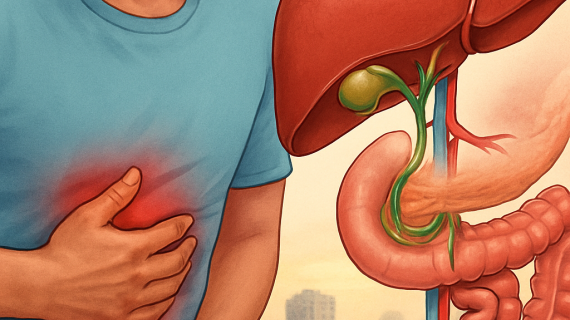
Gallbladder polyps are abnormal tissue growths that form on the inner wall of the gallbladder. These growths exhibit variable size and quantity, with the majority being benign. However, certain polyps possess malignant potential and may progress to gallbladder cancer.
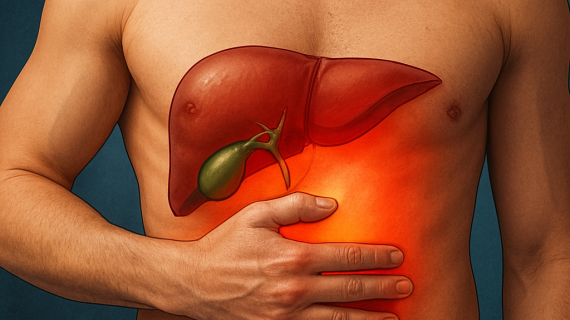
The gallbladder is a small, pear-shaped organ situated beneath the liver that stores and concentrates bile produced by the liver. Bile facilitates the digestion and absorption of dietary fats. Polyp formation can interfere with normal gallbladder function and bile flow.
The etiology of gallbladder polyps is not fully understood. Risk factors associated with polyp development include advanced age, obesity, gallbladder inflammation (cholecystitis), and cholesterolosis, a condition characterized by cholesterol deposits in the gallbladder wall. Additional risk factors may include genetic predisposition and certain metabolic disorders.
Most gallbladder polyps are asymptomatic and are detected incidentally during abdominal imaging performed for unrelated conditions. Common diagnostic methods include ultrasound, computed tomography (CT), and magnetic resonance imaging (MRI). Due to the potential for malignant transformation, particularly in larger polyps, regular surveillance through imaging studies is recommended to monitor polyp size, morphology, and growth patterns.
Key Takeaways
- Gallbladder polyps are growths that may require monitoring or treatment based on size and symptoms.
- Diagnosis typically involves imaging tests, while symptoms can be minimal or mimic other gallbladder issues.
- Non-surgical treatments focus on monitoring small, asymptomatic polyps to avoid unnecessary procedures.
- Surgery is recommended for larger or symptomatic polyps to prevent complications, with various surgical options available.
- Choosing an experienced surgeon, like Dr. Arefin in Dhaka, ensures personalized care and optimal treatment outcomes.
Symptoms and Diagnosis
Many individuals with gallbladder polyps may not experience any noticeable symptoms. In fact, these growths are often discovered during routine imaging tests, such as ultrasounds or CT scans, conducted for unrelated reasons. However, when symptoms do occur, they can include abdominal pain, particularly in the upper right quadrant, nausea, vomiting, and digestive disturbances.
If you experience any of these symptoms, it is essential to consult a healthcare professional for a thorough evaluation. Diagnosis typically involves imaging studies to visualize the gallbladder and assess the size and number of polyps present. Ultrasound is the most common method used, as it is non-invasive and provides clear images of the gallbladder.
In some cases, additional tests such as MRI or CT scans may be recommended for a more detailed assessment. Your doctor may also consider your medical history and any risk factors you may have when determining the best course of action.
Non-Surgical Treatment Options

For many individuals diagnosed with gallbladder polyps, non-surgical treatment options may be sufficient. If the polyps are small and asymptomatic, your doctor may recommend a watchful waiting approach, which involves regular monitoring through imaging studies to track any changes in size or appearance. This conservative management allows for early detection of any potential complications without subjecting you to unnecessary surgical procedures.
In addition to monitoring, lifestyle modifications can play a significant role in managing gallbladder health. Maintaining a healthy diet low in saturated fats and high in fiber can help reduce the risk of gallbladder issues. Regular exercise and weight management are also crucial in preventing further complications associated with gallbladder polyps.
Your healthcare provider may suggest dietary changes or supplements that promote gallbladder health as part of your non-surgical treatment plan.
When Surgery is Necessary
Surgery becomes necessary when gallbladder polyps exhibit certain characteristics that raise concern for malignancy or when they cause significant symptoms. If a polyp measures more than 1 centimeter in size or shows signs of growth over time, your doctor may recommend surgical intervention to remove the gallbladder entirely—a procedure known as cholecystectomy. This decision is often made after careful consideration of your overall health and the potential risks associated with surgery.
In some cases, if you experience recurrent abdominal pain or other debilitating symptoms due to the presence of polyps, surgery may be warranted even if the polyps are small. The goal is to alleviate discomfort and prevent any potential complications that could arise from untreated gallbladder issues. Your healthcare provider will work closely with you to determine the best course of action based on your specific situation.
Preparing for Gallbladder Polyps Surgery
| Metric | Details |
|---|---|
| Location | Dhaka, Bangladesh |
| Specialist | Dr. Arefin |
| Condition | Gallbladder Polyps |
| Common Symptoms | Usually asymptomatic; sometimes abdominal pain or discomfort |
| Polyp Size Threshold for Surgery | Polyps larger than 10 mm |
| Other Surgery Indications | Rapid polyp growth, presence of gallstones, patient symptoms |
| Treatment Options | Observation for small polyps, cholecystectomy for larger or suspicious polyps |
| Follow-up Frequency | Ultrasound every 6-12 months for polyps under 10 mm |
| Surgical Procedure | Laparoscopic cholecystectomy |
| Risk of Malignancy | Higher in polyps >10 mm or with rapid growth |
If surgery is deemed necessary, proper preparation is essential for a successful outcome. Your healthcare team will provide you with detailed instructions on how to prepare for the procedure. This may include dietary restrictions in the days leading up to surgery, as well as guidelines on medications you should avoid.
It’s crucial to follow these instructions closely to minimize any risks during the operation. Additionally, discussing any concerns or questions you have with your surgeon can help ease anxiety about the upcoming procedure. Understanding what to expect before, during, and after surgery can empower you to take an active role in your healthcare journey.
Your surgeon will explain the surgical process, recovery expectations, and any potential complications that may arise.
Types of Gallbladder Polyps Surgery
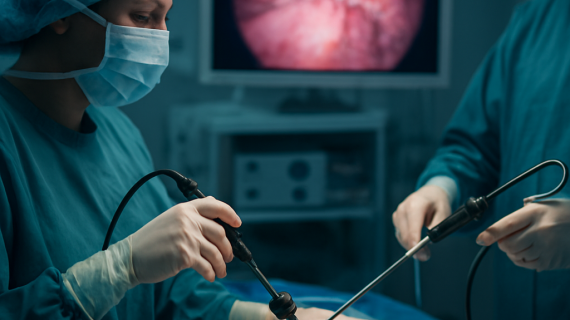
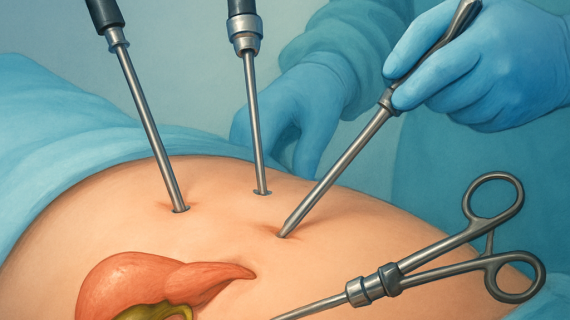
The most common surgical procedure for gallbladder polyps is laparoscopic cholecystectomy, which involves removing the gallbladder through small incisions using minimally invasive techniques. This approach typically results in less postoperative pain, shorter recovery times, and minimal scarring compared to traditional open surgery. Laparoscopic surgery has become the preferred method for many surgeons due to its numerous benefits.
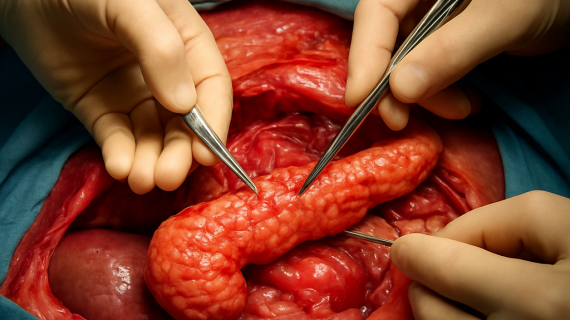
In some cases where laparoscopic techniques are not feasible due to complications or anatomical considerations, an open cholecystectomy may be necessary. This procedure involves a larger incision in the abdomen and may require a longer recovery period. Your surgeon will determine the most appropriate surgical approach based on your individual circumstances and the characteristics of your gallbladder polyps.
Risks and Complications
As with any surgical procedure, there are risks associated with gallbladder polyp surgery. Potential complications can include bleeding, infection, injury to surrounding organs, and adverse reactions to anesthesia.
Understanding these potential complications can help you make informed decisions about your treatment options. Postoperative complications may also arise, such as bile leaks or digestive issues following gallbladder removal. Some individuals may experience changes in digestion or bowel habits after surgery, which can be managed through dietary adjustments and lifestyle changes.
Your healthcare team will provide guidance on how to navigate these challenges during your recovery period.
Recovery and Aftercare
Recovery from gallbladder polyp surgery varies depending on the type of procedure performed and your overall health. After laparoscopic surgery, many patients can return home within a day or two and resume normal activities within a week or two. However, it’s essential to listen to your body and allow yourself adequate time to heal.
Following your surgeon’s postoperative instructions regarding activity restrictions and wound care is crucial for a smooth recovery. During your recovery period, you may experience some discomfort or mild pain at the incision sites. Over-the-counter pain medications can help manage this discomfort effectively.
Additionally, maintaining a balanced diet and staying hydrated will support your healing process. Your healthcare provider may recommend specific dietary guidelines to follow as you adjust to life without a gallbladder.
Follow-Up Care
Follow-up care is an integral part of your recovery journey after gallbladder polyp surgery. Your surgeon will schedule follow-up appointments to monitor your healing progress and address any concerns you may have postoperatively.
It’s essential to keep an open line of communication with your healthcare team during this time. If you experience persistent abdominal pain, changes in bowel habits, or any other concerning symptoms after surgery, don’t hesitate to reach out for guidance. Regular follow-up care ensures that any potential complications are addressed promptly and that you receive ongoing support as you adjust to life after gallbladder removal.
Choosing the Right Surgeon in Dhaka
Selecting the right surgeon for your gallbladder polyp treatment is a critical decision that can significantly impact your surgical experience and outcomes. When searching for a qualified surgeon in Dhaka, consider their experience with gallbladder surgeries and their track record of successful outcomes. Researching patient reviews and testimonials can provide valuable insights into their expertise and approach to care.
Additionally, scheduling consultations with potential surgeons allows you to ask questions about their surgical techniques, recovery protocols, and overall philosophy regarding patient care. A good surgeon will take the time to address your concerns and ensure that you feel comfortable with your treatment plan moving forward.
Dr. Arefin is renowned for his comprehensive approach to treating gallbladder polyps in Dhaka. With years of experience in minimally invasive surgical techniques, he prioritizes patient safety and comfort throughout the entire process—from diagnosis to recovery.
Dr. Arefin believes in personalized care tailored to each patient’s unique needs and circumstances. During consultations, Dr.
Arefin takes the time to educate patients about their condition and treatment options thoroughly. He emphasizes open communication and encourages patients to ask questions about their diagnosis and surgical procedures. His commitment to providing compassionate care ensures that patients feel supported every step of the way on their journey toward better health.
In conclusion, understanding gallbladder polyps is essential for anyone facing this condition. From recognizing symptoms and exploring treatment options to preparing for surgery and navigating recovery, being informed empowers you to make educated decisions about your health care journey. With skilled professionals like Dr.
Arefin leading the way in Dhaka, patients can feel confident in their treatment choices and look forward to improved well-being after addressing their gallbladder concerns.
For those seeking information on gallbladder polyps treatment in Dhaka, the article “When is Surgery Necessary?” by Dr. Arefin provides valuable insights into the circumstances under which surgical intervention may be required. Additionally, readers may find it beneficial to explore related topics in the healthcare field, such as the importance of effective communication in medical writing, which is discussed in this article on crafting captivating headlines. This resource can enhance understanding of how to present medical information clearly and engagingly.
FAQs
What are gallbladder polyps?
Gallbladder polyps are growths or lesions that protrude from the lining of the gallbladder. They are usually benign but can sometimes be precancerous or cancerous.
How are gallbladder polyps diagnosed?
Gallbladder polyps are typically diagnosed through imaging tests such as abdominal ultrasound, which can detect the size and number of polyps. Additional imaging like CT scans or MRI may be used if necessary.
When is surgery recommended for gallbladder polyps?
Surgery is generally recommended if the polyps are larger than 10 mm, show rapid growth, or if there are symptoms such as pain or signs of gallbladder cancer risk. Polyps smaller than 10 mm without symptoms are often monitored regularly.
What does gallbladder polyp surgery involve?
Surgery usually involves a cholecystectomy, which is the removal of the gallbladder. This can be done laparoscopically (minimally invasive) or through open surgery depending on the case.
Are there non-surgical treatment options for gallbladder polyps?
Currently, there are no specific medications to treat gallbladder polyps. Small, asymptomatic polyps are often monitored with periodic imaging to check for changes.
What are the risks of not treating gallbladder polyps?
While many gallbladder polyps are benign, untreated polyps that grow or have malignant potential can lead to gallbladder cancer. Regular monitoring helps manage this risk.
How often should gallbladder polyps be monitored if surgery is not performed?
Typically, polyps smaller than 10 mm are monitored with ultrasound every 6 to 12 months to observe any changes in size or appearance.
Can gallbladder polyps cause symptoms?
Most gallbladder polyps do not cause symptoms. However, larger polyps or those associated with gallstones may cause abdominal pain, nausea, or digestive discomfort.
Is gallbladder polyp surgery safe?
Yes, gallbladder removal surgery is generally safe and commonly performed. Risks include infection, bleeding, and injury to surrounding structures, but complications are rare with experienced surgeons.
Where can I find expert treatment for gallbladder polyps in Dhaka?
Expert treatment for gallbladder polyps in Dhaka can be found at specialized hospitals and clinics, such as those where Dr. Arefin practices, who is experienced in diagnosing and managing gallbladder conditions.