Gallbladder Health: Common Problems and Advanced Surgical Solutions
When it comes to gallbladder health, understanding the common problems that can arise is crucial for maintaining your overall well-being. From the discomfort of gallbladder pain to the complexities of gallstone formation, many individuals in Dhaka may find themselves facing these challenges. In this post, we will explore the essential functions of the gallbladder, delve into the symptoms and causes of various gallbladder issues, and highlight advanced surgical solutions available for those seeking relief. Join us as we navigate through these important topics to empower you with knowledge and options for optimal gallbladder health.
Understanding Gallbladder Problems
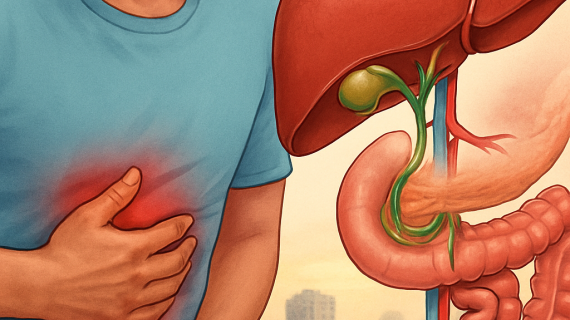
The gallbladder plays a crucial role in the digestive system by storing bile produced by the liver, which is essential for fat digestion. When functioning properly, it releases bile into the small intestine to aid in breaking down fats. However, various issues can disrupt this process, leading to significant health problems.
Common issues like gallstones and cholecystitis
Gallstones are one of the most prevalent problems associated with the gallbladder. These hardened deposits can form from excess cholesterol or bilirubin and may vary in size from tiny grains to large stones. When they obstruct the bile ducts, they can cause acute cholecystitis, an inflammation of the gallbladder that often results in severe pain and requires medical intervention.
Chronic cholecystitis can also occur, characterized by recurrent inflammation that may lead to scarring and dysfunction of the gallbladder. In both cases, treatment options typically include dietary changes or surgical intervention, such as laparoscopic cholecystectomy.
Gallstones can lead to serious complications if not addressed promptly.
Symptoms indicating a need for medical attention
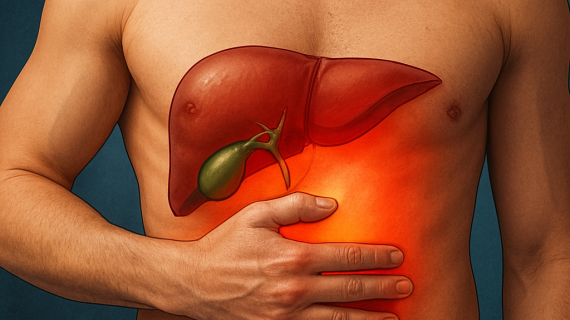
Recognizing symptoms is critical for timely intervention. Common signs of gallbladder issues include severe abdominal pain (particularly in the upper right quadrant), nausea, vomiting, and jaundice indicating potential bile duct obstruction. These symptoms warrant immediate medical evaluation to prevent further complications.
For example, a patient experiencing intense pain after consuming a fatty meal may be suffering from a gallstone attack. If left untreated, this could escalate into more severe conditions such as pancreatitis or infection.
Many people mistakenly believe that mild symptoms do not require attention; however, waiting too long can lead to more invasive treatments and prolonged recovery times. This highlights the importance of understanding one's body signals and seeking help without delay.
Gallstones: Causes and Risks
Gallstones, which are hardened deposits that form in the gallbladder, are primarily caused by imbalances in the substances that make up bile. This can occur when there is too much cholesterol or bilirubin in the bile, leading to the formation of solid particles. The gallbladder's role is crucial here; it stores bile produced by the liver and releases it into the digestive system to aid in fat digestion. However, when the bile contains excess cholesterol or bilirubin, it can lead to gallstone formation.
Factors Contributing to Gallstone Formation
Several factors contribute to gallstone formation. For instance, rapid weight loss can alter bile composition, increasing the risk of stones. Additionally, conditions such as diabetes and liver diseases can also affect how bile is produced and stored. A common misconception is that gallstones only occur in individuals with a high-fat diet; however, they can also arise from low-fat diets that lead to insufficient bile production.
Risk Factors Including Diet and Genetics
Diet plays a significant role in gallstone risk. High-fat, high-cholesterol diets increase the likelihood of stones forming due to excess cholesterol in bile. Conversely, diets low in fiber may also contribute to gallstone development. Genetics should not be overlooked either; individuals with a family history of gallstones are at a higher risk due to inherited factors affecting metabolism and cholesterol levels.
- Obesity or rapid weight loss
- High-fat or high-cholesterol diet
- Family history of gallstones
- Diabetes or liver disease
Understanding these factors is essential for effective prevention strategies.
Prevention Tips for Maintaining Gallbladder Health
Maintaining a healthy lifestyle significantly reduces gallstone risk. Regular physical activity helps manage weight and improves overall digestion while a balanced diet rich in fiber can help regulate bile production. For example, incorporating more fruits, vegetables, and whole grains into your meals can lower cholesterol levels and promote better bile health.
Cholecystitis: An In-Depth Look
Cholecystitis is an inflammation of the gallbladder, often resulting from the presence of gallstones obstructing the cystic duct. This condition can be classified into two main types: acute and chronic cholecystitis. Acute cholecystitis is characterized by sudden onset of severe symptoms, while chronic cholecystitis involves long-term inflammation that can lead to gradual deterioration of gallbladder function.
Symptoms Like Abdominal Pain and Nausea
Patients with cholecystitis typically experience intense abdominal pain, particularly in the upper right quadrant, along with nausea and vomiting. These symptoms often worsen after eating fatty meals due to increased demand for bile release. For instance, a patient might find themselves doubled over in pain after a celebratory dinner that included rich foods, leading them to seek immediate medical attention.
Potential Complications if Left Untreated
If cholecystitis remains untreated, it can lead to serious complications such as perforation of the gallbladder or abscess formation. A perforated gallbladder can result in bile leakage into the abdominal cavity, causing peritonitis—a life-threatening condition requiring urgent surgical intervention. The risk of these complications highlights the importance of timely diagnosis and treatment.
A common misconception is that cholecystitis only affects older adults; however, it can occur at any age and may be influenced by factors like obesity or rapid weight loss. Understanding these risk factors is crucial for early detection and management.
Prompt treatment for cholecystitis is essential to prevent life-threatening complications.
Advanced Surgical Solutions for Gallbladder Issues
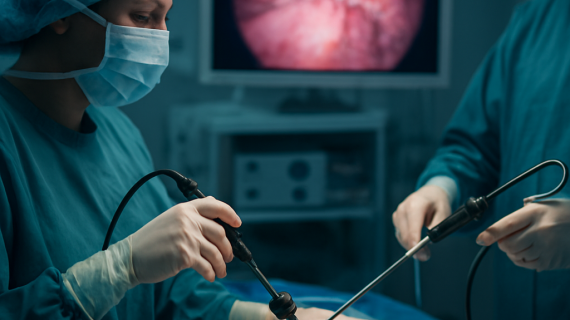
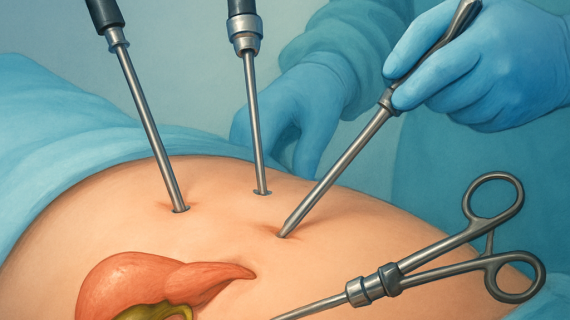
Laparoscopic cholecystectomy has become the gold standard for gallbladder removal, particularly in cases of symptomatic gallstones or cholecystitis. This minimally invasive procedure involves making small incisions in the abdomen through which a camera and surgical instruments are inserted. The surgeon can then remove the gallbladder while minimizing damage to surrounding tissues.
Laparoscopic Cholecystectomy: Procedure Details
During laparoscopic cholecystectomy, patients are typically under general anesthesia. The operation begins with the insertion of carbon dioxide gas into the abdominal cavity to create space. The surgeon then makes four small incisions, allowing access for instruments and a camera. This approach not only reduces post-operative pain but also enhances recovery time compared to traditional open surgery, which requires larger incisions.
Benefits of Minimally Invasive Surgery
The benefits of laparoscopic surgery are significant. Patients often experience less postoperative pain, shorter hospital stays, and quicker return to normal activities. For example, a patient may find themselves back to work within one week post-surgery compared to several weeks required after an open cholecystectomy. This rapid recovery is vital for individuals balancing work and family responsibilities.
Minimally invasive techniques lead to faster recovery and less scarring.
Recovery Expectations Post-Surgery
Despite the advantages of laparoscopic cholecystectomy, it’s essential to understand that recovery varies among individuals. Common expectations include mild discomfort managed with over-the-counter pain relief and gradual resumption of daily activities. However, some patients might experience complications such as infection or bile leakage, which necessitate further medical evaluation.
Dietary changes after cholecystectomy are also crucial; many patients must adjust their eating habits to minimize digestive discomfort caused by the absence of the gallbladder. For instance, a person may need to avoid high-fat meals initially as their body adapts to changes in bile production without the gallbladder's storage function.
Dr. Murshidul Arefins Expertise
Dr. Murshidul Arefin stands out as a leading expert in the field of hepatobiliary, pancreatic, and liver surgery in Dhaka. His extensive qualifications include advanced training in minimally invasive surgical techniques, particularly laparoscopic cholecystectomy, which is crucial for addressing gallbladder issues effectively.
Background on Dr. Arefins Qualifications
Dr. Arefin's academic credentials include a prestigious fellowship in liver and gallbladder surgery, along with years of clinical experience at Popular Medical College Hospital. This combination of academic rigor and practical expertise enables him to navigate complex cases with precision and care. His patients benefit from his commitment to staying updated with the latest surgical advancements and techniques.
Overview of Surgical Technologies Used at Popular Medical College Hospital
At Popular Medical College Hospital, Dr. Arefin employs state-of-the-art surgical technologies that enhance the safety and effectiveness of gallbladder surgeries. The facility is equipped with advanced imaging systems for accurate diagnosis, such as high-resolution ultrasound machines that help identify gallstones or other abnormalities in the biliary system before surgery.
- Laparoscopic tools for minimally invasive procedures.
- Advanced imaging technologies for precise diagnostics.
- Post-operative monitoring systems to ensure patient safety.
The integration of cutting-edge technology significantly reduces recovery time and minimizes complications.
Patient Testimonials Highlighting Successful Surgeries
The care I received from Dr. Arefin was exceptional, shares a recent patient who underwent laparoscopic cholecystectomy for gallstones. Not only was my surgery successful, but I also appreciated how he took time to explain each step of the process and what to expect afterward. Such testimonials underscore the importance of not just technical skill but also compassionate patient care.
I was back to my daily routine within a week, another patient noted after their procedure. This rapid recovery is often attributed to the minimally invasive techniques employed by Dr. Arefin, which reduce post-surgical pain and facilitate quicker healing.
When to Seek Surgical Intervention
Surgical intervention for gallbladder issues is not always necessary, but certain signs clearly indicate when it becomes essential. Patients experiencing recurrent gallbladder pain, particularly after meals, or those whose symptoms escalate to include jaundice or fever should seek immediate medical attention. These symptoms often suggest complications such as acute cholecystitis or bile duct obstruction, which necessitate prompt evaluation and potential surgical action.
Signs That Indicate Surgery May Be Necessary
Common indicators that surgery may be required include persistent abdominal pain, especially in the upper right quadrant, unexplained nausea, vomiting, and changes in urine or stool color. For instance, if a patient notes that their pain intensifies after eating fatty foods and is accompanied by fever or chills, these are clear warning signs that they need to consult a healthcare provider urgently.
- Severe abdominal pain lasting more than a few hours
- Nausea and vomiting accompanied by fever
- Jaundice indicating possible bile duct obstruction
Timely surgical intervention can prevent serious complications.
Consultation Process at Popular Medical College Hospital
At Popular Medical College Hospital, the consultation process begins with a thorough evaluation of symptoms and medical history. Imaging tests such as ultrasounds are integral to diagnosing gallbladder conditions accurately. If surgery is deemed necessary, the surgical team will discuss the laparoscopic approach due to its benefits of reduced recovery time and less postoperative discomfort compared to traditional methods.
Patients often express anxiety about surgery, notes Dr. Murshidul Arefin. Understanding the procedure and its benefits can help alleviate fears. This emphasis on patient education is critical for informed decision-making regarding their health.
Importance of Timely Intervention
Delaying treatment for gallbladder issues can lead to severe complications such as pancreatitis or even perforation of the gallbladder. For example, a patient who postpones seeking care after experiencing recurrent pain may find themselves facing an emergency situation requiring immediate surgery—potentially resulting in longer recovery times and increased healthcare costs.
The critical takeaway is that recognizing the signs of gallbladder problems early can lead to more effective treatment options and better overall outcomes. Patients should trust their instincts about their health; if something feels wrong, it’s worth getting checked out sooner rather than later.
Post-Surgical Care and Lifestyle Adjustments
Post-surgery recovery after gallbladder removal, or cholecystectomy, requires careful attention to both physical healing and lifestyle adjustments. The absence of the gallbladder changes how bile is stored and released, which can impact digestion significantly.
Guidelines for Recovery After Gallbladder Surgery
Recovery typically involves managing discomfort and gradually resuming daily activities. Patients should be prepared for mild pain and possible fatigue as their body adapts to new digestive processes. It's crucial to follow a physician's recommendations regarding rest and activity levels during the initial weeks post-surgery.
For instance, a patient may initially find it challenging to perform strenuous tasks or heavy lifting. This is normal as the body heals from surgery; pushing too hard can lead to complications such as hernias or prolonged pain.
Dietary Changes to Support Healing
Diet plays a pivotal role in recovery. After gallbladder removal, many patients need to adjust their eating habits to prevent digestive discomfort. A low-fat diet is often recommended initially, as the body needs time to adapt to the continuous flow of bile into the small intestine without the gallbladder's storage capability.
- Start with easily digestible foods like rice, bananas, and toast.
- Gradually introduce lean proteins such as chicken or fish.
- Limit fatty foods and avoid processed sugars until fully healed.
Many patients report that avoiding high-fat meals helps minimize post-surgical digestive upset.
Long-Term Management of Gallbladder Health
Even after recovery from gallbladder surgery, maintaining optimal health requires long-term dietary adjustments. Some individuals may develop symptoms like diarrhea or bloating if they consume high-fat meals regularly post-cholecystectomy.
For example, a patient who resumes a regular high-fat diet may experience discomfort during digestion due to an inability to concentrate bile effectively without a gallbladder.
Understanding one's dietary tolerance becomes essential; keeping a food diary can help track which foods cause issues.
It's commonly misunderstood that life without a gallbladder means no dietary restrictions; however, many find that moderation is key.