Understanding Biliary Tract Disorders: Symptoms and Treatment Options
Anatomy and Function of the Biliary Tract
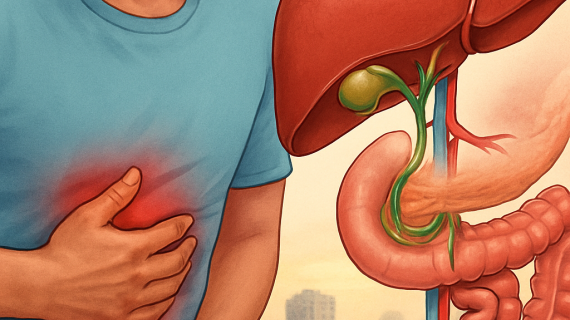
Imagine a finely tuned delivery system, where each component works in harmony to ensure that bile flows smoothly from the liver to the intestines. This is exactly what the biliary tract does, but it’s not just a simple tube; it’s a sophisticated network of ducts and organs that plays a vital role in digestion and metabolic health.
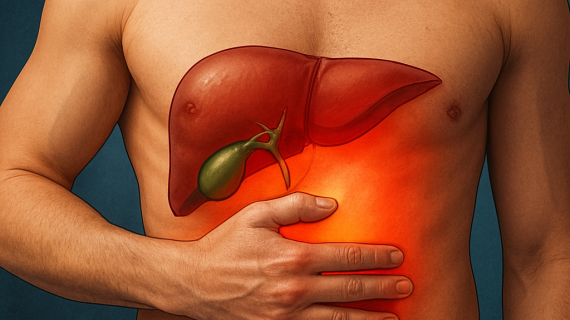
The biliary tract consists primarily of the gallbladder, bile ducts, and the liver. The liver produces bile, which is essential for breaking down fats. Once produced, this golden-green fluid travels through a series of ducts—like the hepatic duct and cystic duct—before being stored in the gallbladder. When you eat, especially fatty foods, your gallbladder releases bile into the small intestine via the common bile duct.
Key Components of the Biliary Tract
- Liver: Produces bile that aids in digestion.
- Gallbladder: Stores and concentrates bile until it’s needed.
- Bile Ducts: Transport bile from the liver to the gallbladder and small intestine.
Each part of this system has its own unique function. The liver is like a factory producing bile continuously, while the gallbladder acts as a warehouse that releases this precious substance when required. The bile ducts are akin to delivery trucks, ensuring that everything gets to where it needs to go without any hiccups.
Why Understanding Your Biliary Tract Matters
Out of sight, out of mind might work for some things in life, but not for your biliary tract! Disorders in this area can lead to serious health issues like gallstones or cholangitis. Knowing how your biliary tract operates can help you recognize symptoms early on—like unexplained abdominal pain or jaundice—and seek timely treatment.
Early detection is crucial when it comes to biliary tract disorders.
What happens if something goes wrong? you might ask. Well, imagine if one of those delivery trucks breaks down (hello, blocked duct!). This can lead to significant discomfort and complications if not addressed promptly.
Common Disorders Related to the Biliary Tract
- Gallstones: Solid particles that form from cholesterol or bilirubin.
- Cholecystitis: Inflammation of the gallbladder often due to gallstones.
- Cholangitis: Infection of the bile duct system.
Understanding these conditions can empower you as a patient. If you're experiencing symptoms like sudden abdominal pain or changes in skin color (a.k.a jaundice), don't brush them off as just another day at work. Recognizing these signs early can be pivotal for effective treatment outcomes.
In summary, your biliary tract is much more than just plumbing; it's an intricate system vital for digestion and overall health. Keep an eye on its workings because when things go awry, it can lead to significant discomfort—and nobody wants that!
Common Biliary Tract Disorders
Ever had that nagging pain in your upper right abdomen that feels like a tiny gremlin is doing a tap dance on your liver? If so, you might be one of the millions dealing with biliary tract disorders. These conditions can range from mildly annoying to downright excruciating, and understanding them is key to finding relief.
Gallstones
Gallstones are the rock stars of biliary tract disorders—quite literally! These solid particles form from bile components like cholesterol or bilirubin and can vary in size from tiny grains to golf balls. When they block the bile ducts, they can cause severe pain, nausea, and even jaundice. In fact, about 10-15% of adults will develop gallstones at some point in their lives. If you're one of them, it's not just a phase; it's a condition that needs attention.
Cholecystitis
Now let’s talk about cholecystitis—the inflammation of the gallbladder that often comes as an unwelcome guest along with gallstones. Picture your gallbladder getting all hot and bothered because it’s blocked by stones. This inflammation can lead to severe abdominal pain and fever, making it feel like you're hosting a party you never wanted.
Cholangitis
Next up is cholangitis, which sounds fancy but is essentially an infection of the bile duct system. Think of it as a traffic jam in your biliary tract—when bacteria get into the bile ducts due to blockages, things can spiral out of control quickly. Symptoms may include fever, chills, and jaundice—definitely not the kind of cocktail you want at your next gathering.
Recognizing symptoms early is crucial for effective treatment!
'So what should you do if you're experiencing symptoms?' you might wonder. First off, don't ignore those signs! Sudden abdominal pain or changes in skin color are red flags that shouldn’t be brushed aside like crumbs on your kitchen counter.
'In summary, being aware of these common biliary tract disorders—gallstones, cholecystitis, and cholangitis—means you're better equipped for early detection and treatment. The next time you feel discomfort in your abdomen or notice unusual changes in your body, remember: knowledge is power—and it could save you from unnecessary suffering.'
Symptoms Indicating Biliary Tract Issues
If you’ve ever felt a sudden, sharp pain in your upper right abdomen that makes you question your life choices, congratulations—you might be experiencing symptoms of biliary tract issues. You’re not alone; millions face this discomfort, often without realizing it’s linked to their biliary tract.
Here’s a startling fact: nearly 20 million adults in the U.S. alone are diagnosed with gallbladder disease every year. That’s a lot of people dealing with pain that could be avoided with early detection!
Recognizing the Signs
The symptoms of biliary tract disorders can sneak up on you like an unexpected guest at a party. Some of the most common signs include:
- Intense abdominal pain, especially in the upper right quadrant.
- Nausea or vomiting, particularly after eating fatty foods.
- Jaundice—yellowing of the skin and eyes.
- Dark urine and pale stools.
- Fever and chills, which may indicate an infection.
But wait, you might say, I’ve had some of these symptoms before! Does that mean I have a biliary tract issue? Not necessarily, but it’s worth paying attention to them. For instance, if you’re suddenly finding yourself avoiding your favorite fried dishes because they make you feel queasy, it could be time for a check-up.
Silent Symptoms
Silent symptoms can be even trickier. Some individuals may experience mild discomfort or vague digestive issues without realizing they’re linked to their biliary tract. This is where awareness becomes crucial—ignoring these subtle signs could lead to more severe complications down the road.
Early detection is key! If something feels off, don’t wait until it escalates into a full-blown crisis.
So what should you do if you notice any of these symptoms? First off, don’t panic! But do schedule an appointment with your healthcare provider as soon as possible. They can perform tests—like ultrasounds or blood work—to determine if there’s an underlying issue with your biliary tract.
In summary, being aware of the symptoms indicating potential biliary tract issues is essential for maintaining your health. Don’t let discomfort become your new normal; take charge and seek help when needed!
Diagnostic Approaches for Biliary Tract Disorders
When it comes to diagnosing biliary tract disorders, it's not just a matter of playing detective; it's more like assembling a complex puzzle. Each piece—symptoms, tests, and medical history—needs to fit together perfectly to reveal the complete picture.
The Importance of a Thorough Evaluation
A comprehensive evaluation is crucial. Patients often present with vague symptoms that could point toward various issues, making it vital for healthcare providers to dig deeper. For instance, a patient might complain of abdominal pain and jaundice, which could be indicative of gallstones or an infection. Without thorough diagnostic testing, it’s easy to misdiagnose or overlook a serious condition.
Common Diagnostic Tests
- Ultrasound: The go-to imaging test for visualizing gallstones and assessing the bile ducts.
- CT Scan: Offers detailed images that can help identify complications such as abscesses or tumors.
- MRCP (Magnetic Resonance Cholangiopancreatography): A non-invasive way to visualize the biliary tree and pancreatic duct.
- Blood Tests: Can indicate liver function and detect infections or inflammation.
Now this is where things get interesting. While ultrasound is often the first line of defense in diagnosing biliary tract disorders, MRCP has gained popularity due to its non-invasive nature and detailed imagery. Imagine being able to see your bile ducts without undergoing surgery—that’s the beauty of modern diagnostics!
Early diagnosis can significantly improve treatment outcomes for biliary tract disorders.
The Role of Endoscopic Procedures
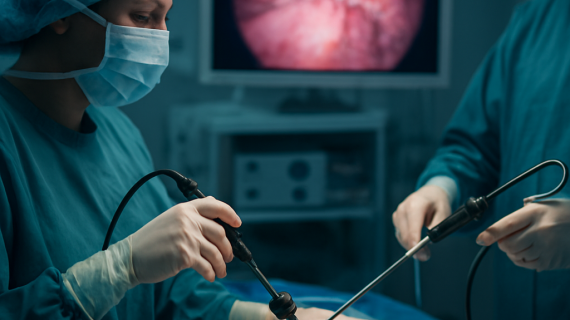
Here’s the kicker: if imaging tests suggest blockages or abnormalities in the bile ducts, endoscopic procedures may come into play. An ERCP (Endoscopic Retrograde Cholangiopancreatography) allows doctors not only to visualize but also to treat issues like stones in real time. This minimally invasive procedure can be a game-changer for patients suffering from acute symptoms.
So what should you do if you suspect a biliary tract issue? Be proactive! If you're facing persistent symptoms like abdominal pain or jaundice, don’t hesitate to consult with your healthcare provider. They can guide you through the necessary tests and help ensure that any potential issues are addressed promptly.
Surgical Interventions for Biliary Disorders
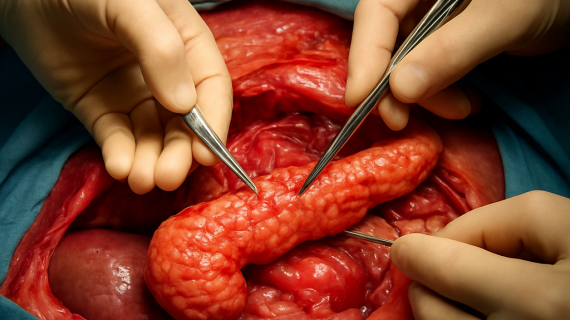
When it comes to biliary tract disorders, sometimes the best solution is not just a prescription but a surgical intervention. Imagine a patient named Rahim, who has been living with debilitating pain due to gallstones. After countless attempts with medication and dietary changes, he finally learns that surgery might be his ticket to relief. This scenario is more common than you think—surgery can be a game-changer for many dealing with biliary issues.
Types of Surgical Procedures
There are several surgical options available for treating biliary tract disorders, each tailored to the specific condition and severity of the issue. Here’s a quick rundown:
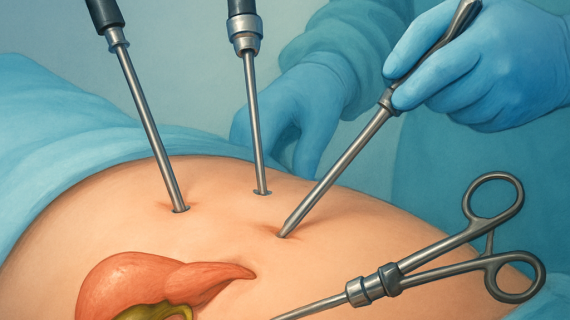
- Cholecystectomy: The removal of the gallbladder, often performed laparoscopically for quicker recovery.
- ERCP (Endoscopic Retrograde Cholangiopancreatography): Used not just for diagnosis but also to remove stones or place stents in bile ducts.
- Whipple Procedure: A complex surgery primarily used for pancreatic cancer that may involve parts of the biliary tract.
- Laparoscopic Bile Duct Exploration: A minimally invasive option to clear blockages in the bile ducts.
The Benefits of Surgical Intervention
Surgery? Isn’t that scary? you might wonder. While it’s normal to feel apprehensive about going under the knife, modern surgical techniques have made these procedures safer and more efficient than ever. For instance, laparoscopic surgeries involve small incisions and often result in less post-operative pain and quicker recovery times. Patients like Rahim can usually return to their daily activities within days instead of weeks.
Minimally invasive techniques lead to faster recovery and less scarring.
Post-Surgical Considerations
What happens after surgery? is another common concern. Post-operative care is crucial for ensuring successful outcomes. Patients may need to adhere to specific dietary guidelines as their bodies adjust post-surgery—especially after a cholecystectomy where fat digestion may initially be affected.
In essence, surgical interventions for biliary tract disorders can transform lives by alleviating chronic pain and restoring normal function. If you find yourself grappling with persistent symptoms or complications from conditions like gallstones or cholangitis, it may be time to consult with a specialist who can guide you through your options.
Non-Surgical Treatment Options for Biliary Disorders
Did you know that nearly 20 million adults in the U.S. are diagnosed with gallbladder disease every year? That’s a staggering number, and many of these patients are often looking for relief without going under the knife. Non-surgical treatments for biliary tract disorders can be effective, offering hope and comfort to those hesitant about surgery.
Imagine a patient named Amina, who has been living with gallstones that cause her discomfort but not enough to warrant surgery—at least not yet. She’s caught in a limbo where her symptoms don’t scream for surgical intervention, but they’re annoying enough to disrupt her daily life. Thankfully, there are several non-surgical options available that can help manage her condition.
Medications
For many patients like Amina, medications are often the first line of defense against biliary tract disorders. These can include bile acid pills that help dissolve certain types of gallstones. Ursodeoxycholic acid is one such medication that can gradually reduce cholesterol stones in some cases. It’s like giving your liver a gentle nudge to do its job more efficiently!
Endoscopic Procedures
If medications aren’t doing the trick, endoscopic procedures might be the next best step before considering surgery. An Endoscopic Retrograde Cholangiopancreatography (ERCP) serves two purposes: it allows doctors to visualize the biliary tract while also providing a means to treat blockages or remove stones directly. This minimally invasive approach can be a game-changer for patients experiencing acute symptoms.
Key Point: ERCP combines diagnosis and treatment in one go—talk about efficiency!
Dietary Changes
Now let’s talk about what goes on your plate. Dietary changes play an essential role in managing biliary disorders. For instance, reducing fat intake can alleviate symptoms associated with gallstones. Think of it as your body’s way of saying thank you when you opt for grilled chicken over fried! Incorporating more fiber-rich foods can also support overall digestive health.
- * Opt for lean proteins like fish or poultry.
- * Load up on fruits and vegetables.
- * Stay hydrated—water is your best friend!
So what should Amina do next? Staying informed about these non-invasive options empowers her to make educated choices regarding her health. Consulting with a specialist will allow her to explore these alternatives further and determine the best course of action tailored specifically to her needs.
Post-Treatment Care and Management Strategies
Imagine you've just undergone surgery for a biliary tract disorder, and now you're feeling like a superhero, ready to take on the world. But wait—before you don your cape, let's talk about post-treatment care. It’s not just about surviving the operation; it’s about thriving afterward.
Studies show that nearly 30% of patients underestimate the importance of post-operative care, leading to complications that could have been avoided. This isn't just a statistic; it’s a wake-up call for anyone recovering from biliary surgery.
Understanding Your Body's Signals
After surgery, your body is like a finely tuned instrument that needs time to adjust. Pay attention to what it’s telling you. Symptoms like persistent pain or fever can signal complications such as infections or bile leaks. If something feels off, don’t hesitate to reach out to your healthcare provider.
Dietary Guidelines Post-Surgery
Your dietary choices play a crucial role in recovery. After gallbladder removal, for instance, your body may struggle with fat digestion initially. Think of your digestive system as a car engine—it needs the right fuel to run smoothly!
- * Start with low-fat meals: Grilled chicken, fish, and steamed vegetables are excellent choices.
- * Gradually introduce healthy fats: Avocados and nuts can be beneficial but should be consumed in moderation.
- * Stay hydrated: Water is essential for flushing out toxins and aiding digestion.
Tip: Keeping a food diary can help you track what works best for your body post-surgery.
Follow-Up Appointments Are Key
Don’t skip those follow-up appointments! They’re designed for your healthcare team to assess how well you're healing. Regular check-ups can catch potential issues early—think of them as routine maintenance checks for your health.
- 1. Schedule follow-ups as recommended by your surgeon.
- 2. Discuss any new symptoms or concerns during these visits.
- 3. Adhere to prescribed medication regimens without fail.
Remember: Consistent follow-up care is essential for long-term success.
In summary, effective post-treatment care involves listening to your body, adhering to dietary guidelines, and maintaining regular follow-ups with your healthcare provider. By prioritizing these strategies, you’ll set yourself up for optimal recovery and regain control over your health!