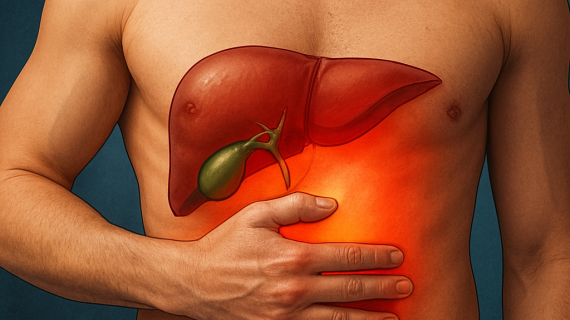
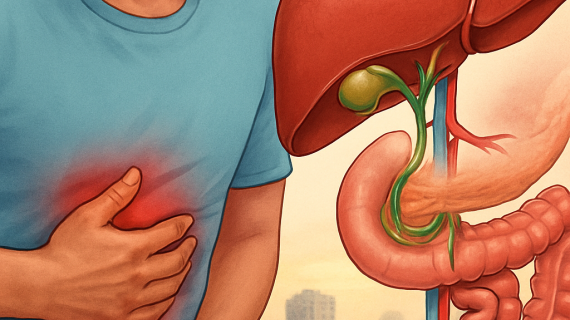
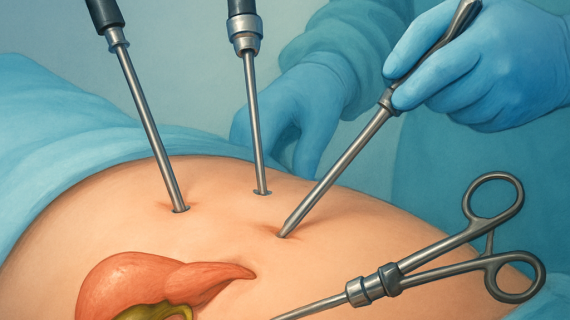
Gallbladder stones, medically termed gallstones, are solid deposits that develop within the gallbladder, a small pear-shaped organ situated beneath the liver. These formations range in size from microscopic particles to large masses measuring several centimeters in diameter. Gallstones consist primarily of two substances: cholesterol (comprising 80% of cases) or bilirubin, a pigment produced during red blood cell breakdown.
Gallstone obstruction of the bile ducts produces characteristic symptoms including severe abdominal pain (biliary colic) typically located in the upper right quadrant or epigastric region. This pain often radiates to the back or right shoulder blade and frequently occurs 30 minutes to several hours after consuming high-fat meals.
Additional symptoms include nausea, vomiting, bloating, indigestion, and clay-colored stools. Complications may include cholecystitis (gallbladder inflammation), cholangitis (bile duct infection), or pancreatitis if stones migrate to block the pancreatic duct. Risk factors encompass female gender, age over 40, pregnancy, family history, certain ethnicities, and metabolic conditions affecting cholesterol metabolism.
Key Takeaways
- Understanding gallbladder stones and their causes is crucial for effective management.
- A diet rich in specific foods can promote gallbladder health and help prevent stones.
- Avoiding certain foods and staying hydrated are key strategies in managing gallbladder stones.
- Incorporating liver-friendly foods supports overall digestive health alongside gallbladder care.
- Professional guidance is recommended to tailor a balanced diet suitable for gallbladder stone management.
The Importance of Diet in Managing Gallbladder Stones
Diet plays a pivotal role in managing gallbladder stones and preventing their recurrence. By making conscious food choices, you can significantly reduce your risk of developing new stones and alleviate existing symptoms. A diet low in saturated fats and high in fiber is often recommended for individuals with gallbladder issues.
This means incorporating more fruits, vegetables, whole grains, and lean proteins into your meals while minimizing processed foods and unhealthy fats. You should also be aware of how certain foods can trigger gallbladder attacks. For instance, high-fat foods can stimulate the gallbladder to contract, which may lead to pain if stones are present.
By understanding the relationship between your diet and gallbladder health, you can take proactive steps to manage your condition effectively. This not only involves avoiding certain foods but also embracing a lifestyle that promotes overall digestive health.
The Best Foods to Eat for Gallbladder Health in Dhaka
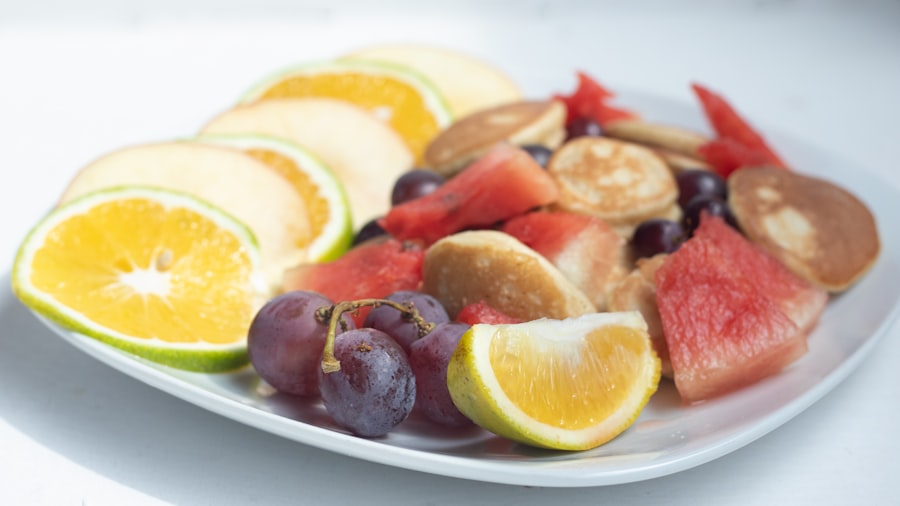
In Dhaka, you have access to a variety of foods that can support gallbladder health. Fresh fruits and vegetables are abundant in local markets and should be a staple in your diet. Leafy greens like spinach and kale, along with cruciferous vegetables such as broccoli and cauliflower, are excellent choices due to their high fiber content and beneficial nutrients.
These foods can help regulate bile production and promote healthy digestion. In addition to vegetables, consider incorporating healthy fats into your meals. Foods rich in omega-3 fatty acids, such as fish like salmon and mackerel, can be beneficial for gallbladder health.
Nuts and seeds are also great sources of healthy fats that can help reduce inflammation and support overall wellness. By focusing on these nutrient-dense foods available in Dhaka, you can create a balanced diet that promotes gallbladder health while enjoying the flavors of local cuisine.
Incorporating a Healthy Liver Diet into Your Gallbladder Stone Diet
The liver and gallbladder work closely together in the digestive process, making it essential to consider liver health when managing gallbladder stones. A healthy liver diet complements your efforts to maintain gallbladder health by promoting efficient bile production and reducing the risk of stone formation. Foods that support liver function include leafy greens, beets, garlic, and avocados.
You should also focus on hydration as part of your liver-friendly diet. Drinking plenty of water helps flush toxins from your body and supports optimal liver function. Herbal teas, particularly those made from dandelion or milk thistle, can also aid in liver detoxification.
By incorporating these liver-supportive foods and beverages into your diet, you create a synergistic effect that benefits both your liver and gallbladder health.
Delicious and Nutritious Recipes for Gallbladder Health
| Category | Recommended Foods | Foods to Avoid | Notes |
|---|---|---|---|
| Fats | Healthy fats: olive oil, flaxseed oil, avocado | Trans fats, fried foods, butter, ghee | Limit fat intake to reduce gallbladder stress |
| Proteins | Lean meats, fish, legumes, tofu | Fatty cuts of meat, processed meats | Choose low-fat protein sources |
| Carbohydrates | Whole grains, brown rice, oats, fruits, vegetables | Refined grains, white bread, sugary snacks | High fiber helps prevent stone formation |
| Dairy | Low-fat or fat-free yogurt, milk | Full-fat dairy products | Opt for low-fat options to reduce fat intake |
| Hydration | Water, herbal teas | Sugary drinks, caffeinated beverages in excess | Stay well hydrated to aid digestion |
| Other Tips | Small frequent meals, avoid rapid weight loss | Skipping meals, crash diets | Helps maintain gallbladder function and prevent stones |
Creating meals that are both delicious and nutritious is entirely possible while managing gallbladder health. For breakfast, consider a smoothie made with spinach, banana, and almond milk. This refreshing drink is packed with vitamins and minerals while being gentle on your digestive system.
For lunch, a quinoa salad with mixed vegetables, chickpeas, and a light lemon vinaigrette can provide a satisfying meal rich in fiber. For dinner, try baking salmon with a side of steamed broccoli and brown rice. This meal is not only flavorful but also provides essential nutrients that support gallbladder function.
You can experiment with herbs and spices to enhance the taste without adding unhealthy fats or sugars. By preparing these wholesome recipes at home, you can enjoy meals that promote gallbladder health while satisfying your taste buds.
Foods to Avoid for Gallbladder Stone Prevention in Dhaka
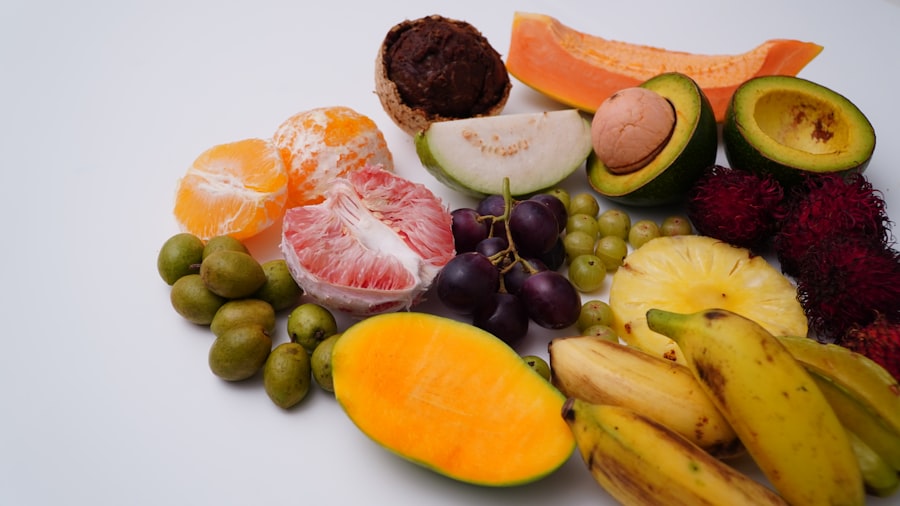
While there are many foods that support gallbladder health, it’s equally important to know which ones to avoid. High-fat foods such as fried items, fatty cuts of meat, and full-fat dairy products can exacerbate symptoms and increase the risk of stone formation. In Dhaka, street food may be tempting but often contains unhealthy fats that could trigger gallbladder issues.
Additionally, refined carbohydrates like white bread and sugary snacks should be limited as they can contribute to weight gain and increase the likelihood of developing gallstones. Instead of reaching for these processed options, opt for whole grains and natural sweeteners like honey or fruits. By being mindful of what you consume, you can take significant steps toward preventing gallbladder stones and maintaining overall digestive health.
The Role of Hydration in Gallbladder Stone Management
Hydration is a critical component of managing gallbladder stones effectively. Drinking enough water helps dilute bile salts and prevents them from crystallizing into stones. It’s essential to aim for at least eight glasses of water daily; however, individual needs may vary based on activity level and climate conditions.
In Dhaka’s warm weather, staying hydrated becomes even more crucial.
Fruits like watermelon, oranges, and cucumbers are not only refreshing but also provide additional hydration benefits.
Herbal teas can be another excellent option for hydration while offering various health benefits. By prioritizing hydration in your daily routine, you can support your gallbladder health and reduce the risk of stone formation.
Tips for Dining Out in Dhaka While Following a Gallbladder Stone Diet
Dining out in Dhaka doesn’t have to be challenging when you’re managing gallbladder stones. With a little planning and awareness, you can enjoy meals at restaurants without compromising your dietary needs. Start by researching restaurants that offer healthy options or those known for their fresh ingredients.
Many places now provide lighter fare or customizable dishes that allow you to choose healthier ingredients. When ordering, opt for grilled or baked items instead of fried options. Request dressings or sauces on the side so you can control how much you use.
Don’t hesitate to ask about ingredient preparation methods; most restaurants are happy to accommodate dietary requests when informed ahead of time. By being proactive about your choices while dining out, you can enjoy the vibrant culinary scene in Dhaka without jeopardizing your gallbladder health.
The Connection Between Diet and Gallbladder Stone Symptoms
Understanding the connection between diet and gallbladder stone symptoms is vital for effective management. Certain foods can trigger symptoms such as pain or discomfort after eating, particularly those high in fat or cholesterol. By keeping a food diary, you can identify patterns related to your symptoms and make necessary adjustments to your diet.
Moreover, incorporating anti-inflammatory foods into your meals may help alleviate some symptoms associated with gallstones. Foods rich in antioxidants—such as berries, nuts, and green tea—can combat inflammation and promote overall digestive health. By being mindful of how different foods affect your body, you empower yourself to make choices that enhance your well-being.
How to Maintain a Balanced Diet for Gallbladder Health in Dhaka
Maintaining a balanced diet for gallbladder health requires commitment but is entirely achievable with the right approach. Focus on creating meals that include a variety of food groups—fruits, vegetables, whole grains, lean proteins, and healthy fats—to ensure you receive all necessary nutrients. Meal prepping can be an effective strategy; by planning your meals ahead of time, you reduce the temptation to reach for unhealthy options when hunger strikes.
Additionally, consider incorporating regular physical activity into your routine as it complements a healthy diet by promoting weight management and improving digestion. Simple activities like walking or cycling around Dhaka can make a significant difference in your overall health while allowing you to explore the city’s beauty.
Seeking Professional Guidance for Gallbladder Stone Diet Management
If you’re struggling to manage your diet effectively while dealing with gallbladder stones, seeking professional guidance may be beneficial. A registered dietitian or nutritionist can provide personalized advice tailored to your specific needs and lifestyle. They can help you create a meal plan that aligns with your dietary restrictions while ensuring you receive adequate nutrition.
Additionally, healthcare professionals can offer insights into any underlying conditions contributing to gallstone formation and recommend appropriate interventions. By collaborating with experts in the field of nutrition and health, you empower yourself with knowledge and resources that support your journey toward better gallbladder health. In conclusion, managing gallbladder stones through diet requires awareness, commitment, and proactive choices.
By understanding the role of food in your health journey and making informed decisions about what you eat—especially within the vibrant culinary landscape of Dhaka—you can significantly improve your quality of life while reducing the risk of future complications related to gallstones.
For those seeking to manage gallbladder stones through dietary choices, Dr. Arefin’s guide on the best diet for gallbladder stones provides valuable insights on what to eat and avoid in Dhaka. Additionally, readers may find it beneficial to explore related topics, such as the importance of crafting captivating headlines to draw in readers, which can be found in this article on crafting captivating headlines. This resource can enhance your understanding of how to effectively communicate health information.
FAQs
What are gallbladder stones?
Gallbladder stones, also known as gallstones, are hardened deposits of digestive fluid that form in the gallbladder. They can vary in size and may cause pain or digestive issues if they block bile flow.
What causes gallbladder stones?
Gallstones form when there is an imbalance in the substances that make up bile, such as cholesterol, bile salts, and bilirubin. Factors like obesity, high-fat diets, rapid weight loss, and certain medical conditions can increase the risk.
What foods should I avoid if I have gallbladder stones?
It is advisable to avoid high-fat and fried foods, processed foods, refined sugars, and foods high in cholesterol. These can exacerbate symptoms and increase the risk of gallstone attacks.
What foods are recommended for people with gallbladder stones?
A diet rich in fruits, vegetables, whole grains, lean proteins, and healthy fats like those found in fish and nuts is recommended. High-fiber foods can also help improve digestion and reduce symptoms.
Can diet alone dissolve gallbladder stones?
Dietary changes can help manage symptoms and prevent new stones from forming, but they typically do not dissolve existing gallstones. Medical treatment or surgery may be necessary in some cases.
Is it safe to follow a gallbladder-friendly diet in Dhaka?
Yes, a gallbladder-friendly diet can be followed in Dhaka by choosing locally available fresh fruits, vegetables, whole grains, and lean proteins while avoiding fried and fatty street foods.
When should I see a doctor about gallbladder stones?
If you experience severe abdominal pain, nausea, vomiting, fever, or jaundice, you should seek medical attention promptly as these may indicate complications requiring treatment.
Can lifestyle changes help prevent gallbladder stones?
Yes, maintaining a healthy weight, eating a balanced diet, staying hydrated, and exercising regularly can reduce the risk of developing gallstones.